
At a glance
- Explore where Melbourne’s drinking water comes from.
- Understand why taste can vary from home to home.
- See where whole-home filtration fits.
Is Melbourne Tap Water Safe to Drink?
The short answer is yes. Melbourne's tap water is treated to meet the Australian Drinking Water Guidelines, and it's tested continuously to make sure it stays that way. If you turn on a tap anywhere in metro Melbourne, what comes out has already passed through a rigorous, government-regulated safety process before it ever reaches your street.
That said, "safe" and "pleasant" aren't always the same thing to a homeowner standing at the kitchen sink. Plenty of Melbourne households notice a chlorine tang, a faint smell, or water that feels harder than they'd like — none of which points to a safety problem, but all of which are legitimate reasons to want better-tasting water at home. This post walks through where Melbourne's water actually comes from, why treatment sometimes leaves a taste or smell behind, and what you can do about it without questioning the underlying safety of the supply.
Where Melbourne's Water Comes From
Melbourne is fortunate in that most of its drinking water originates in protected mountain catchments to the city's east and north, forested areas where public access is restricted specifically to keep the water clean before it's even collected. This is one of the reasons Melbourne's source water has a solid reputation compared to cities that rely on rivers running through farmland or urban catchments.
From those catchments, water travels to storage reservoirs and treatment plants, where it's filtered and disinfected before being pumped into the distribution network that eventually reaches individual homes and businesses. The combination of clean source water and modern treatment is a big part of why Melbourne's tap water quality is generally considered strong by national standards. It's also why most of the taste and smell complaints homeowners raise trace back to the treatment and distribution stage rather than the water's origin.
Why You Might Still Notice Chlorine Taste or Smell
Ask two neighbours on the same Melbourne street whether their tap water tastes "chlorine-y" and you can easily get two different answers. That's not one of them imagining it — it comes down to how each house's plumbing and habits interact with a dosing process that's deliberately built into the supply, not a defect in it.
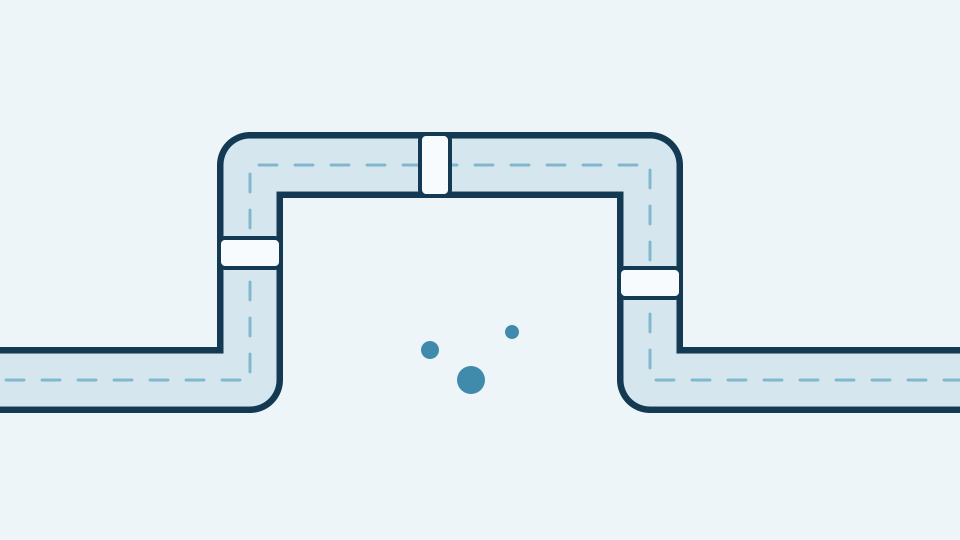
Start with the plumbing itself. Copper and galvanised steel pipework, common in older Melbourne homes, can react with chlorine in ways that change or strengthen its smell; a newer home running entirely on plastic pipe generally won't show the same effect. Layer on top of that how hot water systems handle the same water differently to cold taps — heat drives some compounds out of the water while leaving others behind, so a shower can smell noticeably different to a glass poured straight from the cold tap in the same bathroom.
And underneath both of those household-level factors sits the reason chlorine is there at all: water authorities have to keep a disinfectant working across an entire distribution network, sometimes kilometres of mains between the treatment plant and your street, with dosing and residual levels that shift day to day depending on demand and how far your specific property sits from the plant. None of that variability is a fault — it's what a safe, actively managed supply looks like at the point it reaches very different taps in very different houses.
How Whole-Home Filtration Improves It
You don't need to accept chlorine taste and smell as the cost of safe water. The Neeru system tackles this directly at Stage 2, a Heavy Metal & Carbon Composite stage built from KDF-55/KDF-85 media paired with coconut-shell activated carbon. That combination is specifically what reduces chlorine taste and odour, and because it treats water at the point it enters your home, the improvement shows up at every tap — kitchen, bathroom, laundry — rather than a single filtered jug. See the full filtration system to see how this stage fits alongside the others that handle scale and fine polishing.
Neeru is based in Hoppers Crossing, VIC — part of the Melbourne metro area it serves.
If chlorine taste or smell has been putting you off your own tap water, it's worth having a proper conversation about which stage of filtration suits your household. Get a free quote for your Melbourne home and we'll help you figure out what's right for your property.