At a glance
- Learn why water suppliers use disinfectants.
- Explore the difference between chlorine and chloramine.
- Understand what to check when choosing a filter.
If you've ever filled a glass from the kitchen tap and caught a whiff of the swimming pool, you're not imagining things. That familiar tang is one of the most common complaints homeowners have about mains water, and it almost always traces back to how the water was disinfected before it reached your house. Understanding the difference between chlorine and chloramine treatment — and why the taste can vary from suburb to suburb, or even season to season — makes it much easier to know what you're dealing with and how to fix it.
Why Is Tap Water Disinfected With Chlorine?
Disinfecting drinking water with chlorine is standard practice across Australian water authorities, and for good reason. Raw water drawn from dams, rivers, and reservoirs can carry bacteria, viruses, and other pathogens that pose a real risk to public health if left untreated. Chlorine is added at the treatment plant because it's effective, affordable, and well understood — it kills or inactivates harmful microorganisms before the water is pumped into the distribution network.
Just as importantly, water authorities need to keep a disinfectant residual in the pipes all the way to your tap. Distribution networks can stretch for many kilometres, with water sitting in mains and reservoirs for hours or days before it's used. Without some ongoing disinfecting power, bacteria could recolonise the pipe network long before the water reaches your home. So the chlorine you taste at the tap isn't a treatment mistake — it's a deliberate, regulated safety measure designed to protect everyone on the network, right down to the last house on the street.
Chlorine vs Chloramine: What's the Difference?
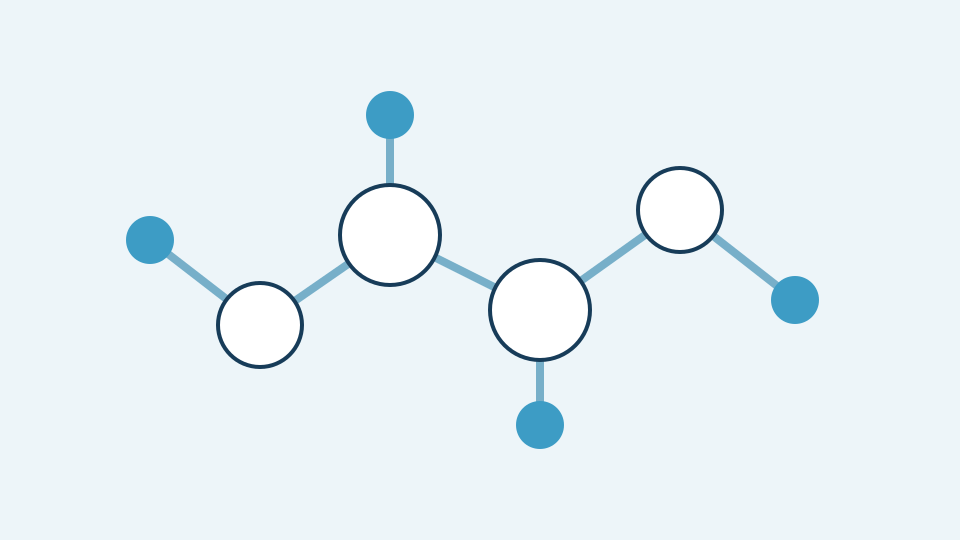
Not every water authority treats water the same way. Some use chlorine on its own, dosing it at the treatment plant and topping it up as needed through the network. Others take an extra step: they add a small amount of ammonia to the chlorine, which reacts to form chloramine. Chloramine is a more stable compound that breaks down more slowly than free chlorine, so it can maintain a protective residual over longer distances and longer transit times without needing to be re-dosed as often.
Both approaches are considered safe and are used in full compliance with Australian drinking water quality standards. Neither is a sign of a problem with your local supply. But the two disinfectants behave differently once they're in your glass. Free chlorine tends to produce that sharp, "swimming pool" smell many people notice immediately, especially when water is cold and freshly run. Chloramine is generally milder in odour but can still impart a slight chemical or medicinal taste, and some people find it lingers more persistently than chlorine does.
Which one you notice — and how strongly — often depends on which water authority services your area and how that authority manages its network at the time.
Why Does It Taste or Smell Different at the Tap?
Here's where it gets more nuanced: the disinfectant itself is only part of the story. Two homes on the same network, even on the same street, can notice different taste and odour at the tap, and the treatment method isn't necessarily to blame.
Residual chlorine or chloramine levels vary with distance from the treatment plant, how long water sits in local mains, and seasonal shifts in demand and dosing. Pipe age and material matter too — older galvanised or copper plumbing can intensify or change the smell, while plastic pipework has less effect. Your hot water system plays a role as well: heating drives off some volatile compounds while concentrating others, which is why a hot tap can smell different to a cold one.
In short, what you taste at the sink reflects both what left the treatment plant and what happened on the way to you.
How Whole-Home Filtration Addresses This
Rather than trying to diagnose exactly which factor is responsible in your particular home, whole-home filtration deals with the outcome directly. In the Neeru system, this is handled at Stage 2 — the Heavy Metal & Carbon Composite stage, built with KDF-55/KDF-85 media combined with coconut-shell activated carbon. This is the stage in the specifications responsible for reducing chlorine, taste, and odour issues, working alongside the other stages in the system to treat water for the whole house rather than a single tap. This stage fits into a full lineup that also handles scale and polishing. See the full filtration stages breakdown on our specifications page.
Because filtration happens at the point where water enters your home, every tap benefits — the kitchen sink, the shower, the laundry — rather than just the one jug or tap-mounted filter you remember to use. That means no more swimming-pool smell first thing in the morning, and no more noticing a chemical taste in your drinking water when you're too busy to think about it.
If chlorine or chloramine taste and smell has been bothering your household, it's worth finding out which stage of filtration best suits your water supply and household needs. Our team can walk you through what's happening in your specific area and recommend a system sized correctly for your home. Get a free quote to get started.