At a glance
- Learn about the minerals behind water hardness.
- Recognise common signs of scale around the home.
- Understand the difference between scale control and softening.
If you've lived in Adelaide for any length of time, you've probably heard someone joke about the water — the chalky white residue on the shower screen, the kettle that needs descaling every few weeks, the glassware that never quite comes out streak-free no matter what you do. It's a running theme in conversations about South Australian homes, and it's not just folklore. Adelaide has a well-earned reputation for having some of the hardest tap water of any Australian capital city, and the reason comes down to where that water is actually sourced from.
Why Adelaide's Water Is So Hard
Unlike cities that draw primarily from local catchments and reservoirs fed by rainfall, Adelaide relies significantly on the Murray River for its water supply, particularly during drier periods when local reservoir levels drop. The Murray is a long, slow-moving river system that picks up dissolved minerals as it travels through catchment areas, and it is well-documented as being comparatively mineral-heavy compared with water sourced from smaller, rain-fed catchments closer to the coast.
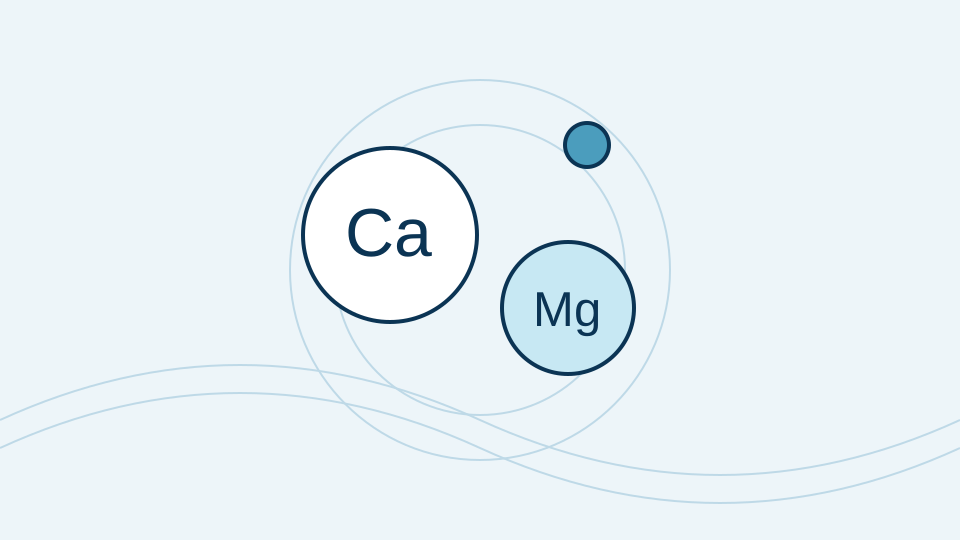
Those dissolved minerals — mainly calcium and magnesium — are exactly what defines "hard water" in the first place. The more of them present, the harder the water. Because Adelaide's supply blends local catchment water with a substantial contribution from the Murray, the overall hardness tends to run higher than in cities that rely almost entirely on rainfall-fed reservoirs. This is a large part of why Adelaide has built its reputation for tough, mineral-laden tap water over the decades.
Signs You Have Hard Water
Hard water doesn't announce itself with a warning label — it shows up gradually, in small, familiar annoyances around the house. If you're wondering whether your Adelaide home is affected, these are the classic signs to look for:
- Limescale buildup on taps and fixtures. A crusty, chalky white deposit forms around tap spouts, showerheads, and drains. It's stubborn to remove and tends to come straight back within weeks.
- Spotting on glassware and dishes. Even after a full cycle in the dishwasher, glasses and cutlery can come out with cloudy spots or a filmy residue, because mineral deposits are left behind as the water evaporates.
- Reduced soap and shampoo lather. Hard water reacts with soap to form a less effective lather, which often means using more product than you should need to get the same clean feeling — whether that's washing dishes, hands, or hair.
These signs are common wherever water hardness is elevated, not unique to any one postcode, but they tend to be more pronounced and more frequent in a city with a supply as consistently hard as Adelaide's.
What Hard Water Does to Your Home Over Time
The visible annoyances — spotty glasses, soap scum, limescale rings — are really just the surface-level symptoms. The bigger cost of hard water shows up more slowly, inside your pipes and appliances, where you can't see it happening.
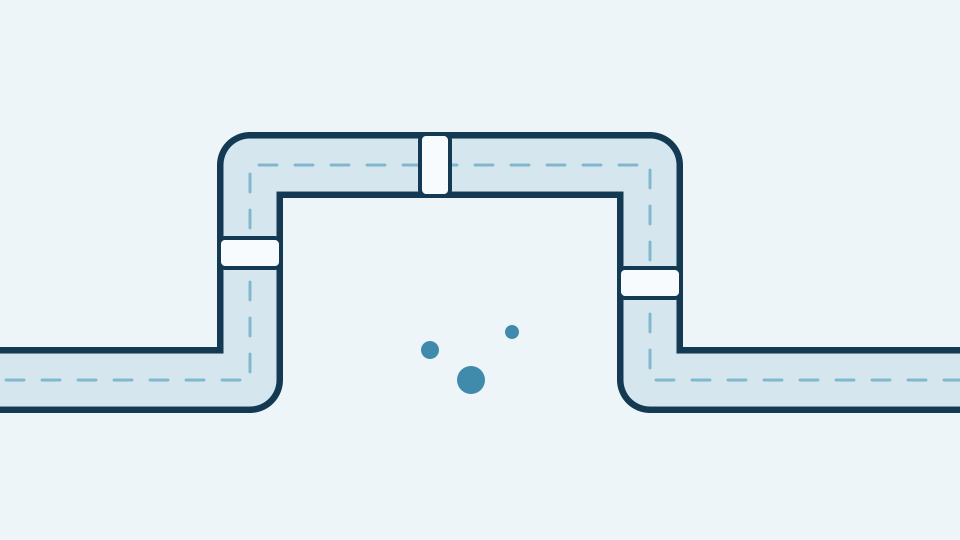
As hard water moves through your plumbing, the dissolved minerals gradually precipitate out and form scale deposits on the interior surfaces of pipes, fittings, and appliances. Over months and years, this scale buildup narrows pipe diameters, restricts water flow, and reduces the efficiency of anything that heats water. Kettles are an obvious everyday example — you'll notice mineral crust forming on the heating element and see kettles struggling to boil as quickly as they once did.
Hot water systems face the same issue on a larger scale: their heating elements and tanks accumulate scale over time, which makes them work harder to reach the same temperature, uses more energy, and shortens their working lifespan. Dishwashers, washing machines, and any other appliance that heats or moves water through internal components are all subject to the same gradual wear.
None of this happens overnight, but it compounds. A home with consistently hard water will typically see appliances need servicing or replacement sooner than a home with softer water, simply because scale is working against those components every single day.
How Filtration Helps
Neeru's whole-home system includes a dedicated Stage 3 built to address hardness-related scale. It uses scale inhibition technology paired with polishing carbon to reduce scale buildup throughout your plumbing and appliances. This is not a traditional ion-exchange water softener — the system doesn't work by swapping out calcium and magnesium ions the way a softener does. Instead, it inhibits scale from forming and accumulating on surfaces, protecting your pipes, hot water system, and appliances from the buildup described above.
Neeru's systems are installed by licensed technicians, with service available Australia-wide, so homeowners anywhere in Adelaide can have a qualified technician assess, install, and test the system for their specific property.
If you're ready to find out what a whole-home system would look like for your property, the next step is simple.