At a glance
- Look beyond the treated water supply.
- Learn why the age and materials of plumbing matter.
- Explore the role of testing and appropriate filtration.
If you live in one of Sydney's established suburbs — a Federation cottage in the Inner West, a post-war brick home on the North Shore, or a mid-century weatherboard out towards the Hills District — the water quality story doesn't end at the treatment plant. What comes out of your tap can be shaped just as much by the plumbing inside your own walls as by anything upstream.
The Treated Supply Isn't the Whole Story
Sydney's treated water supply is tested and monitored against strict safety standards before it ever reaches your property boundary. That part of the system is well regulated and generally reliable. But once water crosses onto private land, it travels through pipes, fittings, valves and taps that the water authority has no ongoing control over — and that's where an older home can tell a very different story to a newly built one.
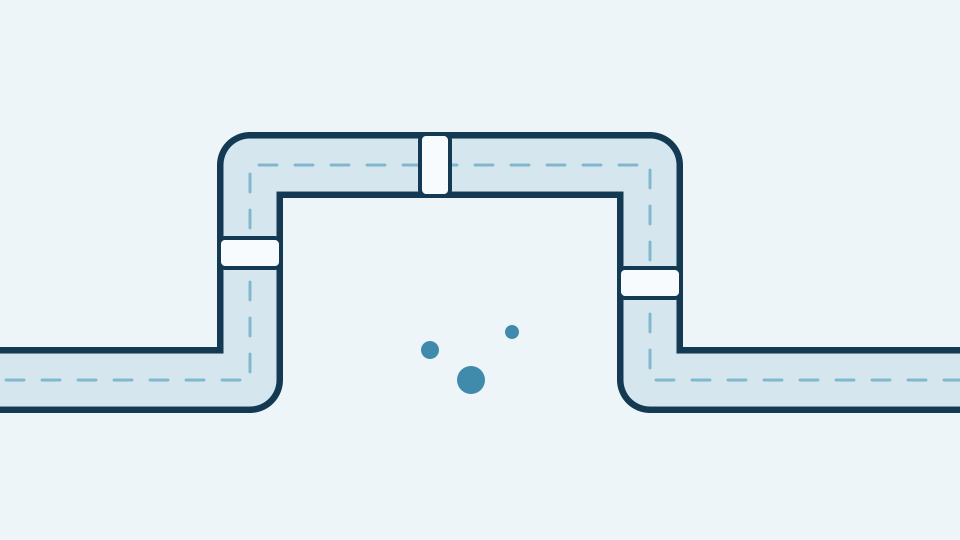
Plumbing inside a house is essentially a private, ageing network. Materials degrade, fittings corrode, and water can sit static in sections of pipe for hours at a time — overnight, or while a house is empty during the day. None of that is captured by testing at the treatment plant or even at the street main. It's a household-level variable, and it's one that's easy to overlook if you're only thinking about "Sydney water quality" as a single number.
Copper Pipes and Lead Solder in Older Homes
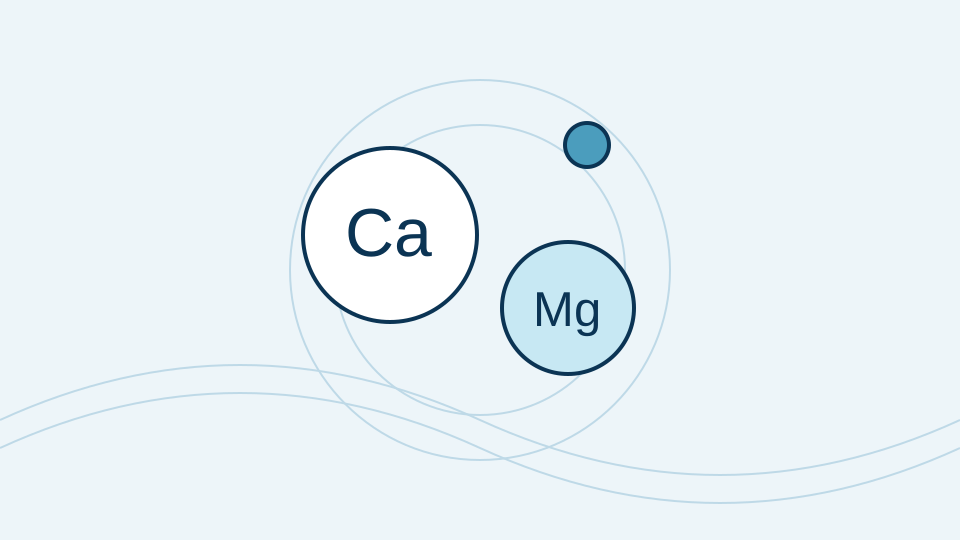
Older housing stock — common across many established Sydney suburbs — was typically plumbed with copper pipework, and for decades, copper joints were commonly sealed using lead-based solder. This was standard trade practice before lead solder was progressively phased out in favour of lead-free alternatives, a well-documented shift in plumbing standards that mirrors what happened in cities around the world.
In homes where that older solder is still in place, there's a well-established general mechanism: water that sits stationary in the pipe for an extended period — such as overnight — has more opportunity to pick up trace amounts of metal from the pipe and joint surfaces than water that's flowing continuously. Copper itself can also contribute a metallic character to water under similar conditions. This isn't a claim about how many Sydney homes specifically are affected — it's simply how ageing metal plumbing behaves as a category, wherever it's found, and it's relevant to older properties generally.
Signs Your Home's Plumbing Might Be a Factor
You don't need a lab test to notice some of the general indicators that plumbing materials may be influencing your water. A metallic or slightly "coiny" taste, particularly from water that's been sitting in the pipes since the last time a tap was run, is one of the more commonly recognised signs. Blue-green staining around copper fittings, fixtures, or in basins near older taps is another well-known visual cue — it's a classic sign of copper interacting with water over time.
These are general, widely recognised indicators rather than anything unique to Sydney's water chemistry. They show up in older homes with ageing copper plumbing wherever that combination exists. If either of these sounds familiar, it's worth thinking about what's happening between the meter and the tap, not just what's arriving at the property.
How Filtration Helps
This is exactly the gap that point-of-entry filtration is designed to close. Neeru's Stage 2 filtration — a heavy metal and carbon composite stage using KDF-55/KDF-85 media combined with coconut-shell activated carbon — is built to reduce heavy metals, including lead and copper, as water passes through the system. Full details are outlined in the Specifications section of our site.
Because this stage sits at the point where water enters the home, it addresses contaminants regardless of whether they originated in the treated supply or were picked up from the property's own pipework — which matters in exactly the scenario described above, where ageing copper and lead solder can affect water quality after it's already left the main.
Every Neeru system is installed by licensed technicians, with service available Australia-wide — so whether your home is a Federation-era cottage in Sydney or a newer build elsewhere, the installation is handled by qualified professionals from assessment through to testing.
If you're in an older Sydney home and want to understand what's really happening in your water, we can help. Get a free quote for your Sydney home and we'll help you work out what filtration makes sense for your property.